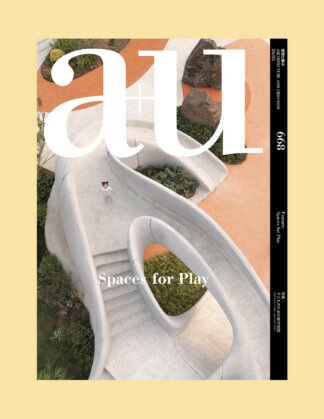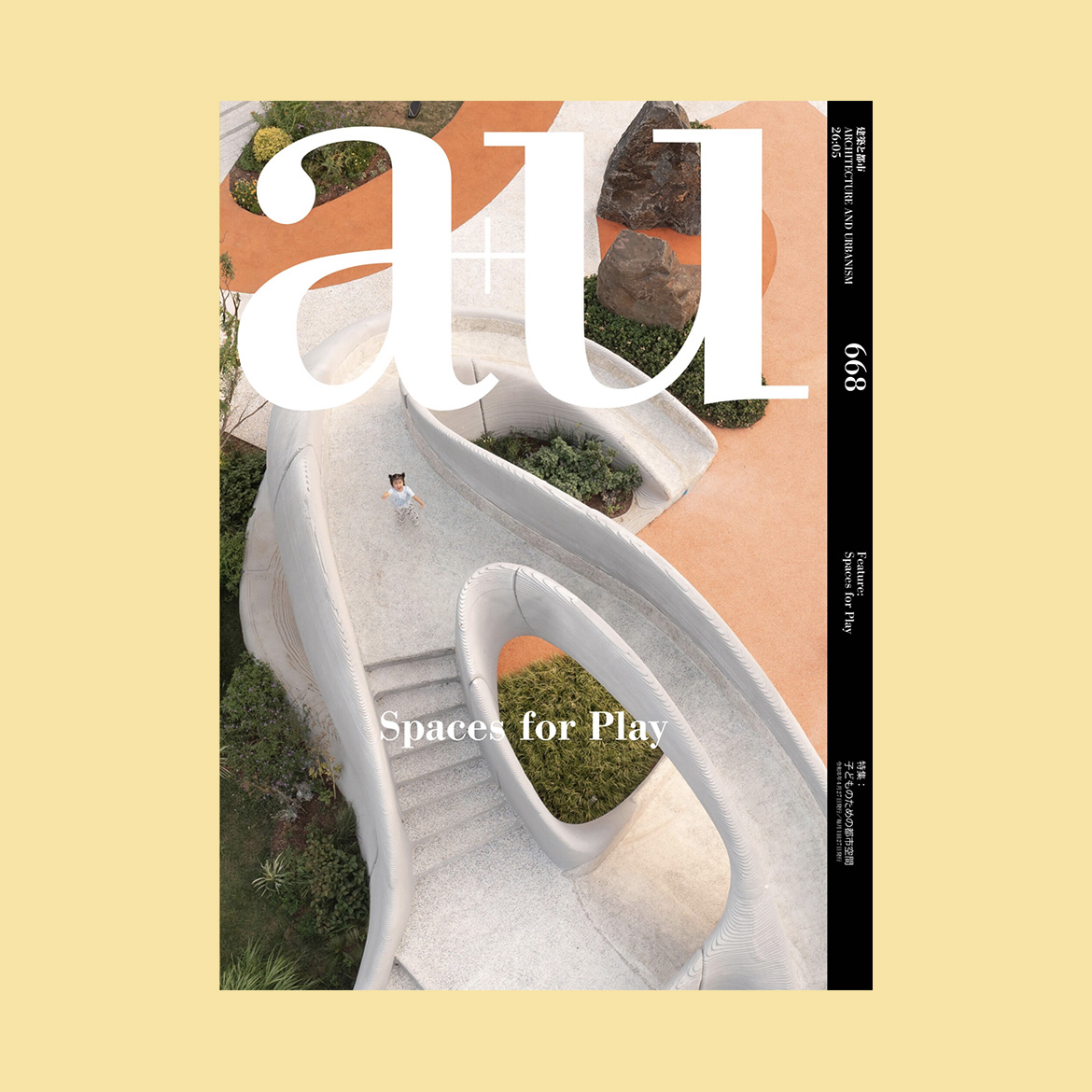
Spaces for Play (a+u 668)
Shinkenchiku-shan 2026
€28,00
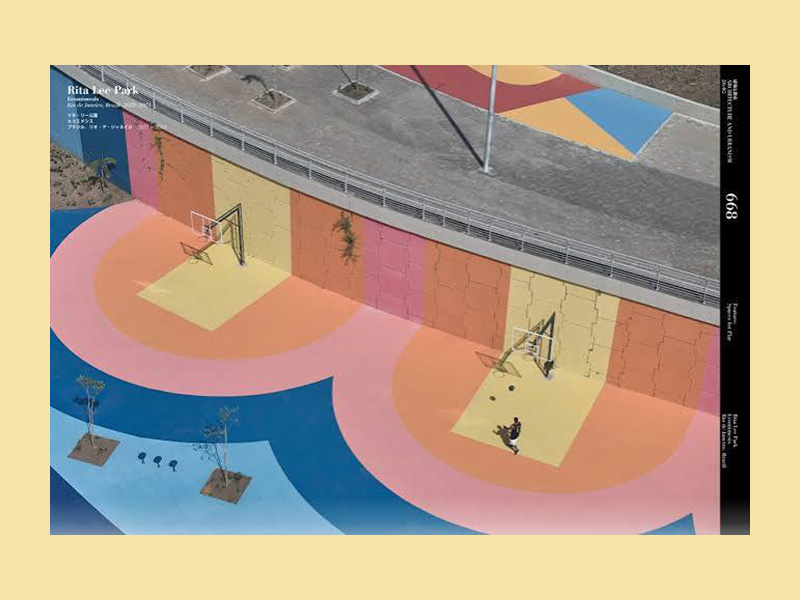
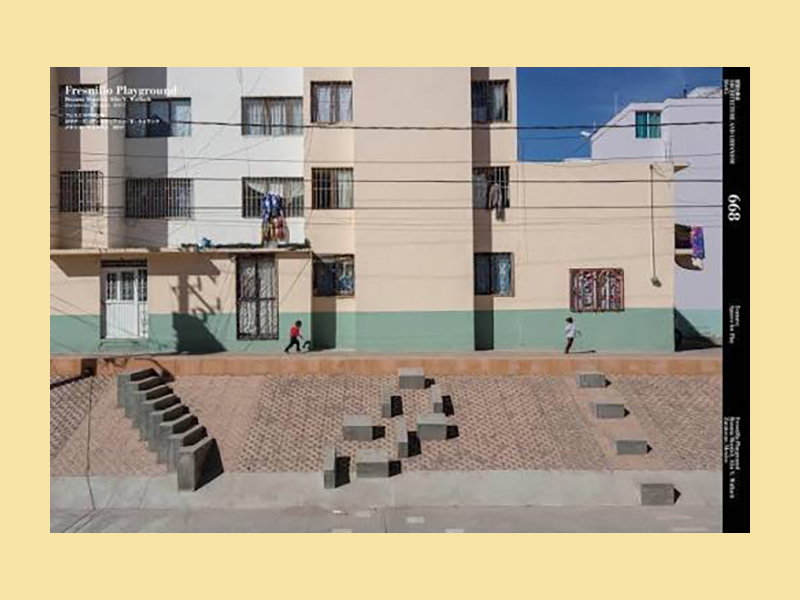
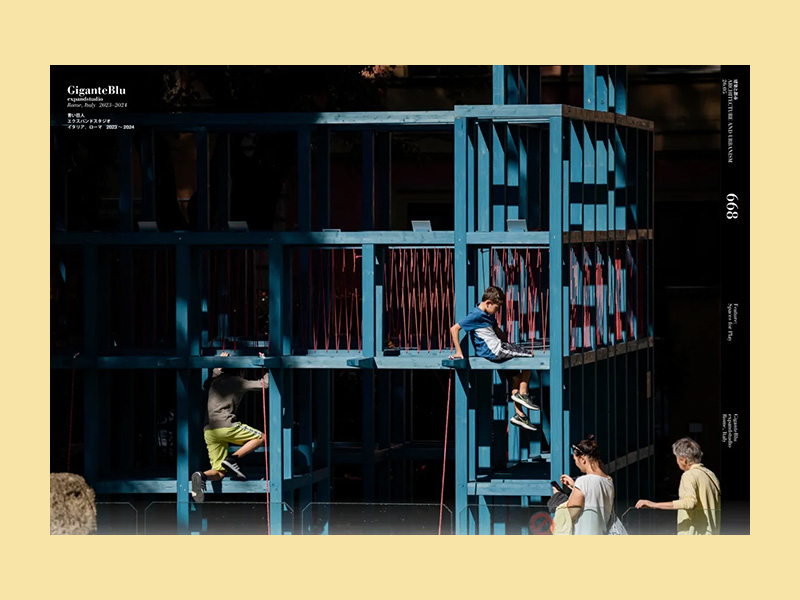
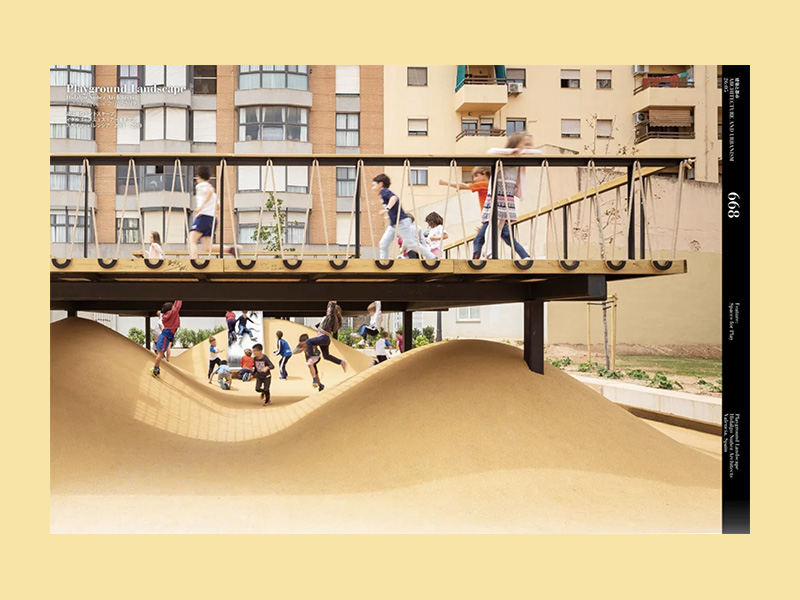
Highlights ways that architects have inserted spaces for play into the built environment – for the enjoyment of both children and adults. Play is rarely a priority in urban design, a matter highlighted by the photo essay Tracing Van Eyck, which notes that of the 700 playgrounds Aldo van Eyck designed for Amsterdam in the aftermath of World War II, fewer than 20 remain. Projects such as Nami Play Pavilion demonstrate how quick flexible solutions can enhance large-scale residential projects, while projects such as GiganteBlu activate urban heritage to foster lively new experiences. Variety in material is an important factor in the built environment, as evidenced by Pod for Happiness, which uses locally sourced material to create an embracing form that reflects the ongoing vitality of the local community, juxtaposed with Boulder Park, which uses 3D printing technology to experiment with organic morphology. Projects such as Rita Lee Park breathe new life into legacy projects that are at risk of falling into disrepair, while projects such as Color Pit are actions of urban repair. Spaces for play thus emerge as invitations for the imaginations of not only the children who will use them, but also for the designers and builders entrusted with their creation.
ISBN: